

Mahloket Matters
In the face of increasing polarization, the Pardes Mahloket Matters methodology is helping the Jewish world build a more harmonious, sophisticated and resilient future.
This unique approach, combining Jewish text study, social psychology and practical conflict tools, transforms disagreement into a vehicle that strengthens relationships and communities.
Jumpstart the Mahloket Matters transformation with training programs, professional development for organizations, educational curricula or Pardes-facilitated community programs.
Explore opportunities

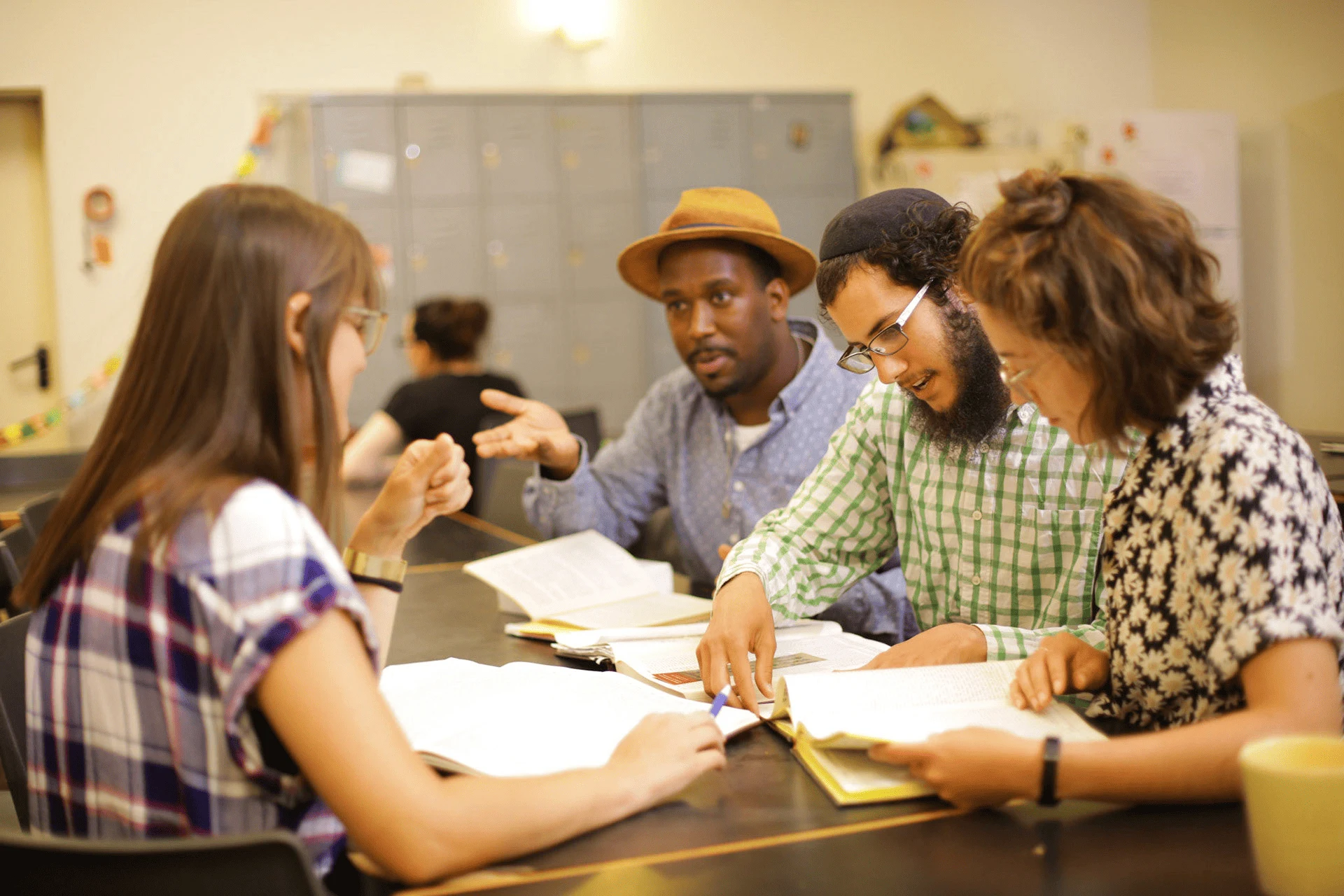
Mahloket Matters training
Learn how to bridge divides and turn disagreement into deep connection. Join an upcoming cohort or reserve one for your organization.
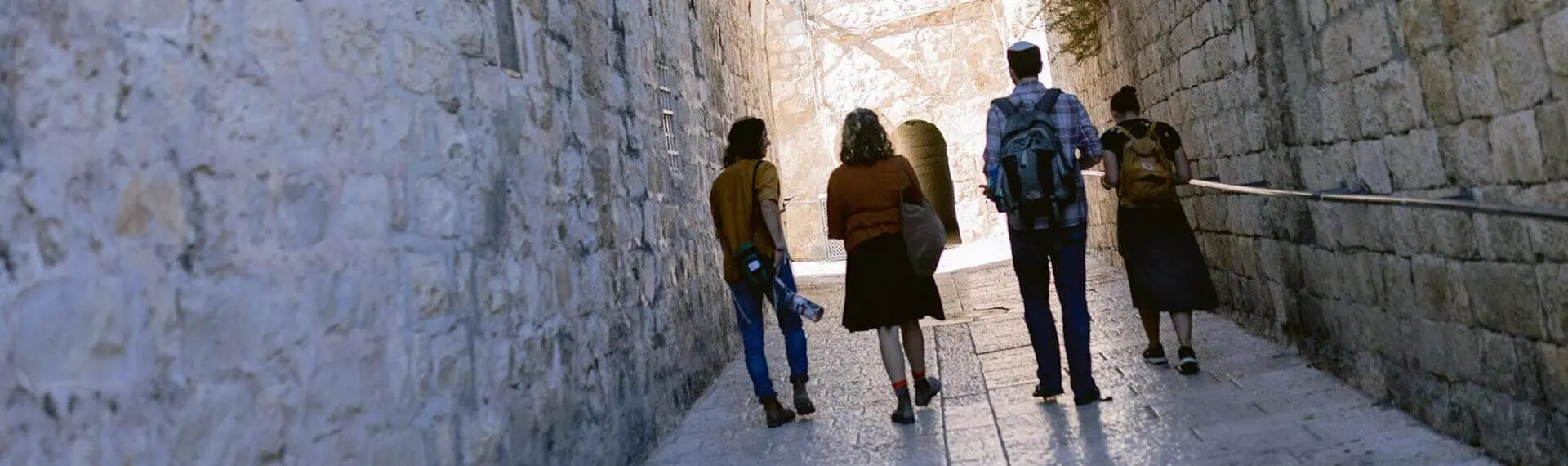
Israel educator training
Use the Mahloket Matters approach to facilitate complex conversations about Israel and enable meaningful, deep Israel education.

Senior Educator Learning Fellowship
Training for congregational educators, including a Mahloket Matters focus. Monthly online sessions plus a two-week intensive in Jerusalem.
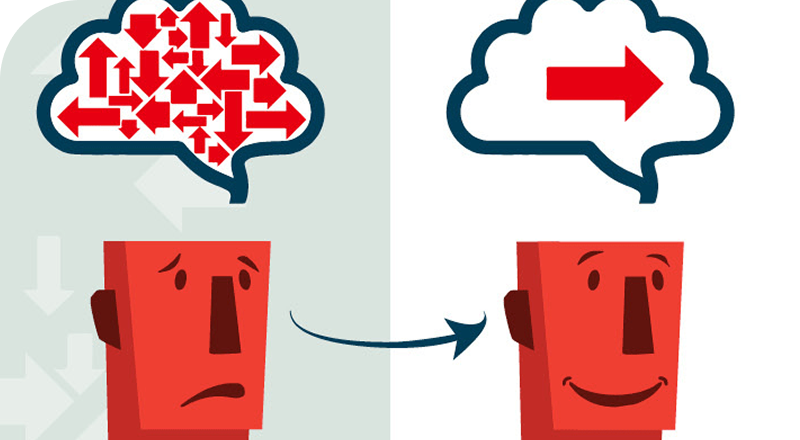
Mahloket Matters Teens Curriculum
Teach teens critical constructive disagreement skills with this curriculum anchored in Jewish texts and social-emotional learning.
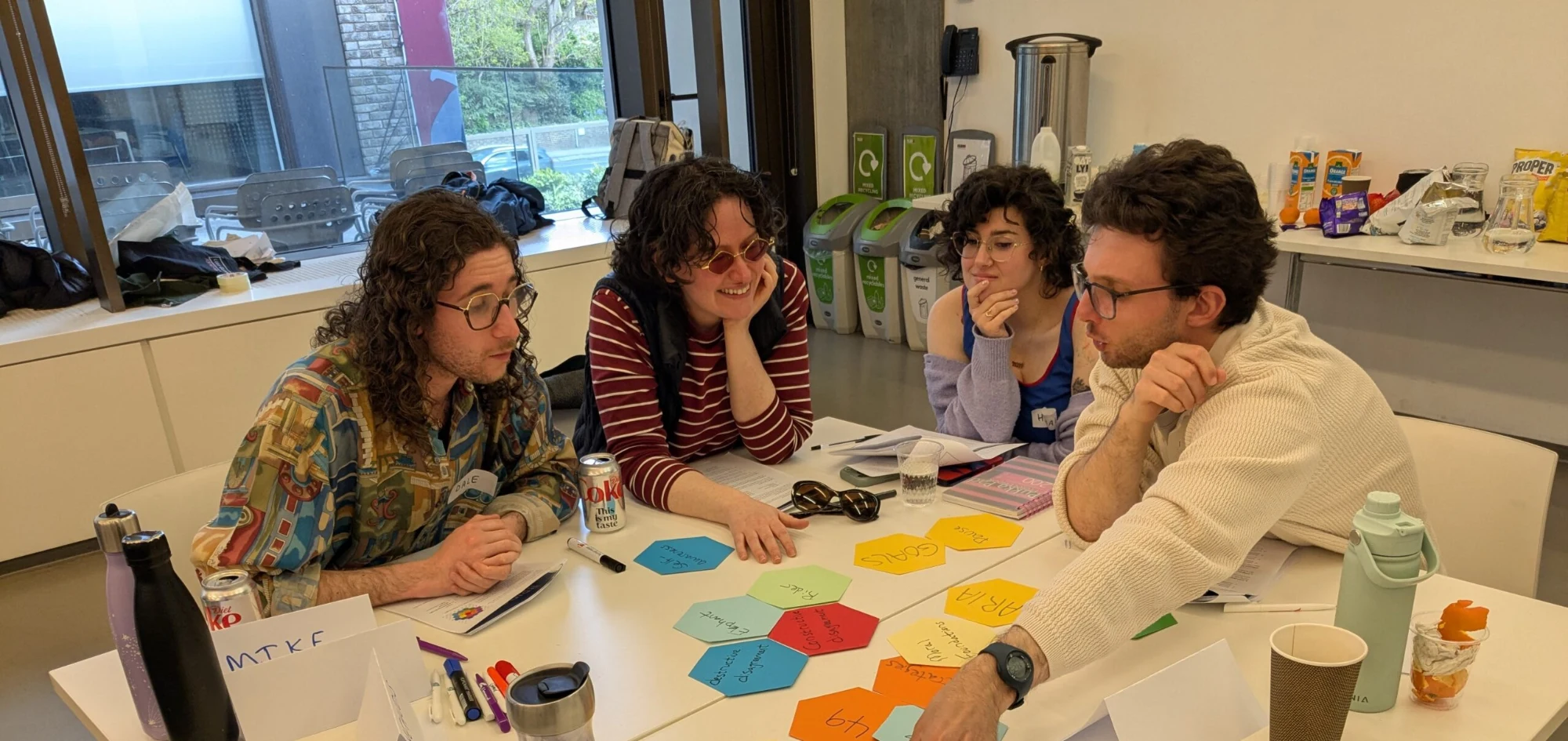
Community programs
Bring Pardes faculty to lead tailored programs enhancing your community’s ability to engage constructively in difficult conversations.
Hear from our community
Impact that matters
94%
Report increased confidence facilitating complex conversations
66%
Apply ideas and tools extensively in personal and professional life
95%
Intend to seek deeper understanding of Jewish wisdom on contemporary issues
Transform your organization
Partner with Pardes for professional development intensives centered on Mahloket Matters. Join Jewish organizations around the world that are investing in these essential skills for their professionals.




Partner with Pardes
Mahloket Matters resource library
Check out the Pardes online library resources – from podcasts to articles and everything in between – on Judaism’s approach to conflict resolution and constructive disagreement.